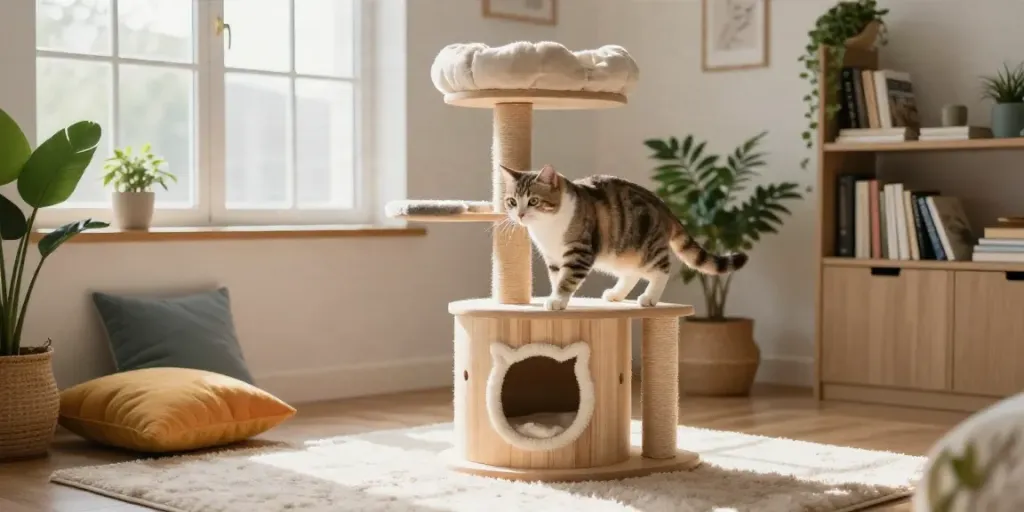
Understanding the Benefits of Cat Trees
Cat trees are not just luxurious furnishings for your feline friends; they are essential tools that cater to their natural instincts and promote their well-being. As a cat owner, investing in a quality cat tree can enhance your pet’s life in numerous ways. They provide dedicated spaces for climbing, scratching, and lounging, which are crucial for maintaining both their physical and mental health. In this article, we will explore the multifaceted benefits of cat trees and why they should be a staple in every cat household.
What Makes a Quality Cat Tree?
A quality cat tree is constructed with durable materials and practical designs to ensure safety and longevity. Typically, high-grade wood, sturdy fabrics, and non-toxic adhesives are preferred for their resilience. Additionally, a well-designed cat tree should feature:
- Stability: A sturdy base that prevents tipping when cats jump or climb.
- Multiple platforms: Various levels allow cats to engage in their natural climbing instincts.
- Scratching surfaces: Sisal-wrapped posts or other materials that cater to scratching needs.
- Cozy hideaways: Enclosed spaces for retreat and rest.
Health Benefits for Cats
Providing a cat tree not only stimulates your pet's natural behaviors but also contributes to their overall health. Regular climbing and scratching helps to:
- Improve physical fitness and agility.
- Maintain claw health by promoting natural scratching.
- Reduce anxiety and stress through play and exploration.
Furthermore, a cat tree can also reduce unwanted behaviors such as scratching furniture or excessive meowing, as it gives your cat a designated space to exercise their instincts.
Enhancing Your Cat's Environment
Creating an engaging environment is essential for keeping your cat stimulated. A cat tree offers a vertical playground where cats can observe their surroundings from above, helping satisfy their curiosity and need for security. By setting up a cat tree near windows or high-traffic areas, you provide your cat with an engaging view of the outside world, enhancing their sensory experience.
Choosing the Right Cat Tree
When searching for an ideal cat tree, it’s essential to consider various factors to ensure it meets your cat’s needs and fits your home decor.
Material Options: Wood vs. Fabric
Cat trees come in various materials, with wood and fabric being the most common. Wooden cat trees offer sturdiness and durability, making them ideal for larger cats or multi-cat households. Meanwhile, fabric cat trees are often softer and can be found in various colors and designs to complement your home. Ultimately, the choice depends on your cat's preferences and your aesthetic goals.
Size Considerations for Different Breeds
It’s crucial to select a cat tree that fits your specific breed's size and activity level. Larger breeds like Maine Coons require more spacious, robust structures, while smaller breeds can thrive on compact designs. Always check weight limits and dimensions to ensure a perfect fit for your feline.
Design Aesthetics to Fit Your Home
Cat trees are available in a wide range of designs, from contemporary to traditional. It’s beneficial to choose a tree that harmonizes with your home decor while also being functional. Many modern cat trees incorporate sleek lines and neutral colors that can seamlessly blend into your living spaces without compromising style.
Maximizing Cat Tree Utility
Investing in a cat tree is merely the first step; maximizing its utility requires strategic placement and thoughtful enhancement.
Setting Up the Ideal Location
Place the cat tree in an area with ample natural light and a good view outside. Cats love to bask in the sun, and a spot near a window can provide hours of entertainment. Additionally, ensure the cat tree is accessible and away from heavy foot traffic zones to create a safe haven for your cat.
Incorporating Interactive Elements
To elevate your cat's engagement, consider adding toys or vertical spaces like shelves to your cat tree. Hanging toys and feather sticks can stimulate play, while ramps can assist less agile cats in exploring their environment. These additions can transform a simple cat tree into a multifaceted playground.
Maintaining the Cat Tree for Longevity
Regular maintenance will ensure your cat tree remains in pristine condition. Vacuuming the fabric, replacing worn-out scratching posts, and inspecting for loose parts are essential to prolong its life. A well-maintained cat tree will not only last longer but also provide a safe and enjoyable environment for your pet.
Popular Features of Modern Cat Trees
The landscape of cat furniture has evolved significantly, and modern cat trees come equipped with features designed to cater to the complex needs of today’s felines.
Multi-Level Designs for Active Play
Multi-level cat trees with ramps and bridges allow cats to explore and play at different heights, catering to their natural climbing instincts. These designs not only promote exercise but also support social interactions among multiple cats.
Integrated Scratch Posts and Toys
Many contemporary cat trees now include built-in scratching posts and attached toys, providing instant access to resources that encourage healthy behavior. This integration helps satisfy scratching instincts without relying on furniture.
Eco-Friendly and Sustainable Materials
As environmental awareness rises, many brands are focusing on eco-friendly and sustainable materials for their cat trees. Structures made from recycled wood and non-toxic finishes can ensure your furry friends remain safe while also caring for the planet.
Future Trends in Cat Furniture for 2026
The future of cat furniture is bright, with innovative designs and functionalities set to enhance pet ownership experiences. Here’s what we can expect in the coming years.
Innovative Designs and Smart Features
Smart cat trees equipped with technology will likely emerge, allowing owners to track their cat's activity levels or even integrate with home automation systems. These advancements can provide insights into your cat's behavior and health.
Customization Options for Unique Spaces
As pet ownership continues to evolve, customizable cat trees that adapt to various spaces are on the rise. Modular designs that can be expanded or rearranged according to the pet's needs will appeal to pet owners looking for flexibility in their furniture.
Predictions for Sustainable Practices in Pet Products
With the ongoing emphasis on sustainability, it’s anticipated that more brands will prioritize eco-friendly practices in the manufacturing of cat trees. This includes utilizing renewable resources and reducing waste while ensuring that quality is not compromised.
Is it worth getting a cat tree?
Absolutely! Investing in a cat tree can significantly improve your cat's well-being, reduce behavioral issues, and enhance their overall environment. A cat tree provides a designated space for your furry friend to play, scratch, and relax, which is crucial for their happiness.
What factors should I consider when buying a cat tree?
Important factors include the size and weight capacity, material quality, design aesthetics, and the specific needs of your cat. Consider your cat's breed, activity level, and any particular preferences they may have when selecting a cat tree.
Are cat trees beneficial for large cats?
Yes, although it's essential to choose a cat tree that is robust and appropriately sized for larger breeds. Many manufacturers now offer specialized cat trees designed to accommodate the weight and activity level of larger cats.
How do I maintain a cat tree?
Regular maintenance involves cleaning the surfaces, replacing worn-out scratching materials, and ensuring all parts are secure. Vacuuming weekly can help keep your cat tree looking new and hygienic.
Can cat trees prevent furniture damage?
Yes, providing a cat tree gives your feline friend a dedicated space to scratch and climb, which can help prevent them from damaging your furniture. When cats have appropriate outlets for their instincts, they are less likely to turn to your couch or curtains.