

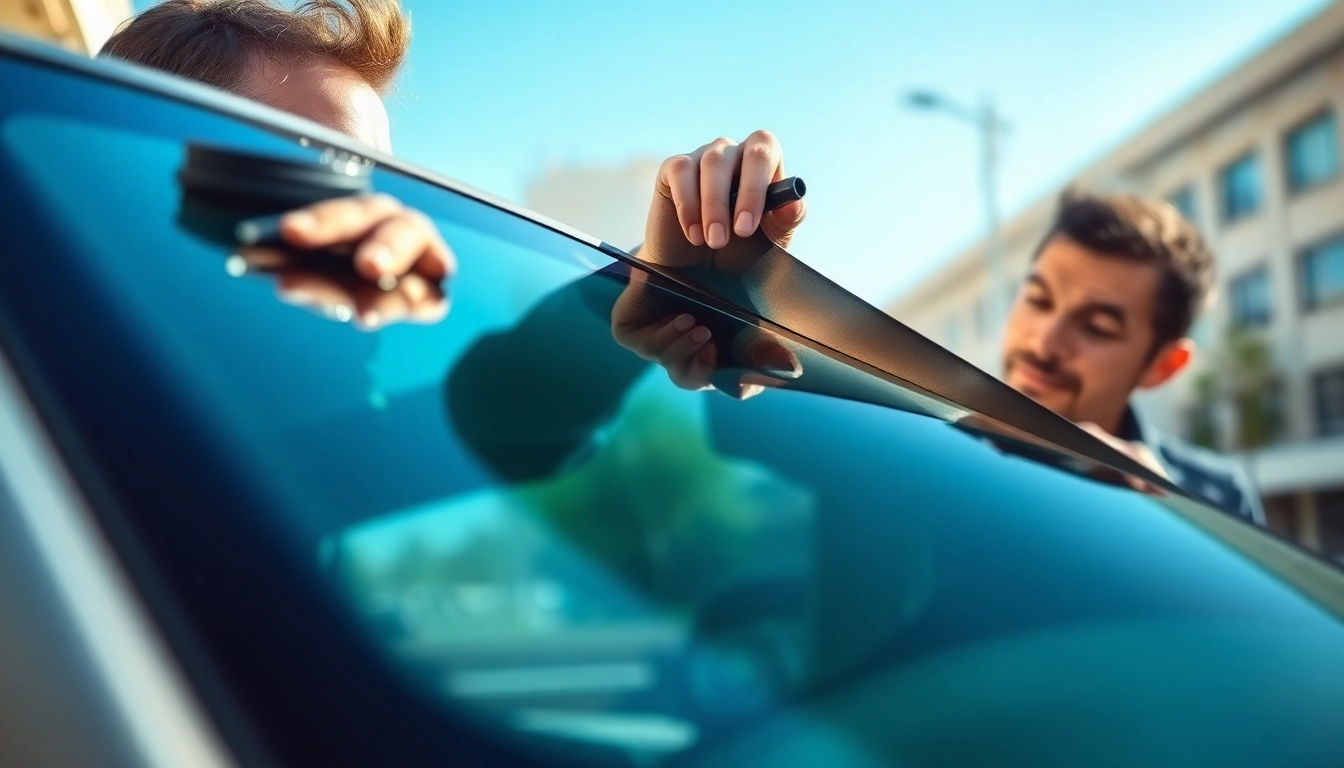
Understanding Window Tint Chattanooga
When it comes to altering the look and functionality of your vehicle, window tint Chattanooga offers an excellent option. This process involves applying a thin film to the windows of your vehicle, which can provide a multitude of benefits. But what exactly is window tint, and why should you consider it for your car or home? Let’s delve deeper.
What is Window Tint?
Window tint refers to the application of a layer of film on glass surfaces. This film can vary in thickness, color, and type, and is designed to alter the properties of the glass. While most commonly used in automobiles, window tinting can also be applied to residential and commercial properties. The primary functions include reducing glare, enhancing privacy, and blocking harmful ultraviolet rays from the sun, contributing to overall comfort and protection against skin damage.
Types of Window Tint Available
There are various types of window tints available, each catering to specific needs and preferences:
- Dyed Window Tint: This film uses a dye to absorb solar heat, making it affordable and effective for reducing glare and adding privacy.
- Metalized Window Tint: Incorporating tiny metallic particles, this film reflects heat and adds strength to the glass, enhancing shatter resistance.
- Carbon Window Tint: Known for its durability, carbon film blocks over 40% of heat and provides a matte finish, preventing fading and degradation.
- Ceramic Window Tint: This high-performance option reflects heat without interfering with electronic devices, making it a favorite among tech-savvy users.
- Hybrid Tint: Combining dyed and metalized options, hybrid tints offer a balance of performance and aesthetics.
Importance of Quality Installation
Quality installation plays a crucial role in maximizing the benefits of window tint. A well-installed film will adhere properly, avoid bubbling and peeling, and last longer than a poorly applied one. To ensure quality, professionals use specialized tools and techniques tailored to the type of tint and the vehicle’s specifications. Skimping on this aspect could lead to unsatisfactory results, ultimately costing more in repairs and replacements.
Benefits of Window Tint Chattanooga
Opting for window tint in Chattanooga can lead to several tangible benefits, making it a wise investment for many vehicle and property owners. Let’s explore these advantages in detail.
Heat Reduction and UV Protection
One of the primary benefits of window tinting is its ability to significantly reduce heat inside your vehicle or home. High-quality window films can block up to 99% of harmful UV rays, protecting your skin and preventing the sun’s rays from damaging your interiors. This reduction can lead to a more comfortable environment, requiring less reliance on air conditioning, which in turn can save on energy bills.
Increased Privacy and Security
Window tinting also enhances privacy, preventing outsiders from peering into your vehicle or home. This added layer of secrecy is beneficial for personal security and can protect valuables left in sight. Moreover, certain window films can strengthen the glass, reducing the likelihood of shattering and offering added protection against burglaries.
Enhanced Aesthetics and Value
Aesthetically, window tint can dramatically enhance the look of your vehicle or property. The sleek, uniform appearance that comes with well-installed tints elevates style and can even increase the resale value of your vehicle or home. Buyers often perceive tinted windows as a desirable feature, reflecting sophistication and attention to detail.
Choosing the Right Window Tint Chattanooga
When considering window tinting, it’s crucial to choose the right type and apply it correctly. Several factors should influence your decision.
Factors to Consider Before Purchase
Before purchasing window tint, consider several factors:
- Type of Film: Depending on your needs, each film type serves different practical purposes.
- Visible Light Transmission (VLT): This measure affects how much light passes through the tint; a lower VLT offers greater privacy but may not meet local regulations.
- Climate Considerations: If you live in an area with intense sunlight, opt for films that specialize in heat reduction.
Local Regulations on Tint Levels
It’s essential to research local laws around window tint levels to avoid fines or mandatory removal. Regulations often specify the maximum VLT percentage allowed, varying between vehicles and types of windows. In Chattanooga, familiarize yourself with these regulations to stay compliant.
Comparing Different Brands and Films
Not all window tint films are created equal. When comparing brands, look for customer reviews, warranties, and performance ratings. Ask for samples and ensure the chosen product is resistant to fading, bubbling, and cracking. This due diligence will ensure you invest in quality, long-lasting materials.
Installation Process of Window Tint Chattanooga
Whether you choose professional installation or opt for a DIY approach, understanding the installation process is vital. Here’s how it typically unfolds.
Preparing Your Vehicle
Preparation is key to an effective installation. Start by washing the windows thoroughly to remove any dirt, dust, or grease. This step ensures a proper bond between the tint and glass. Drying the windows and checking for any existing imperfections will also contribute to a successful application.
Step-by-Step Installation Guide
- Measure and cut the tint film to fit the window dimensions.
- Apply a cleaning solution to the glass to minimize adhesion issues.
- Peel off the protective backing of the tint film and position it carefully on the glass.
- Use a squeegee to push out air bubbles and excess water.
- Trim the edges for a clean finish once the film is secure.
DIY vs. Professional Installation
While some opt for DIY installations to save money, professional services often ensure superior results. Professionals have access to specialized tools, techniques, and materials, offering warranties and advice for maintenance. Weigh the cost against the potential for mistakes and reworks, especially if you’re a first-timer.
Maintaining Your Window Tint Chattanooga
Once your windows are tinted, maintaining the film’s appearance and integrity becomes essential. Here’s what you need to do.
Care Instructions for Longevity
To extend the life of your window tint, take the following precautions:
- Wait at least 48 hours before rolling down windows post-installation to allow proper adhesion.
- Use a gentle, non-ammonia cleaner and a microfiber cloth for cleaning to avoid damaging the tint.
- Regularly inspect edges for lifting or bubbling, addressing any issues promptly.
Common Issues and Solutions
Some common challenges with window tint include bubbling, peeling, and fading. If you notice bubbling, try gently pushing it outwards with a squeegee. For peeling, you may need to remove the tint and reapply a new film. Fading is typically a sign of poor quality; ensure you use high-quality materials to mitigate this risk.
When to Seek Professional Help
If you encounter persistent issues like extensive bubbling or peeling, it’s wise to consult a professional. They can assess the situation and offer a solution, whether repairing, replacing, or refreshing the tint to restore its aesthetic and functional properties.
FAQs About Window Tint Chattanooga
1. How long does window tint last?
Quality window tints can last anywhere from 5 to 15 years, depending on the type of film used and maintenance practices.
2. Is window tinting legal in Chattanooga?
Yes, but regulations exist regarding the darkness levels allowed on vehicles. Ensure compliance to avoid fines.
3. Can window tint reduce glare while driving?
Absolutely! Window tint significantly reduces glare from sunlight and headlights, enhancing driving comfort and safety.
4. Will window tinting make my car hotter?
No, in fact, quality window tint helps reduce heat accumulation, making your vehicle cooler compared to untreated windows.
5. Can I clean my tinted windows normally?
Use non-ammonia cleaners and soft cloths to clean tinted windows. Avoid abrasive materials that can damage the film.