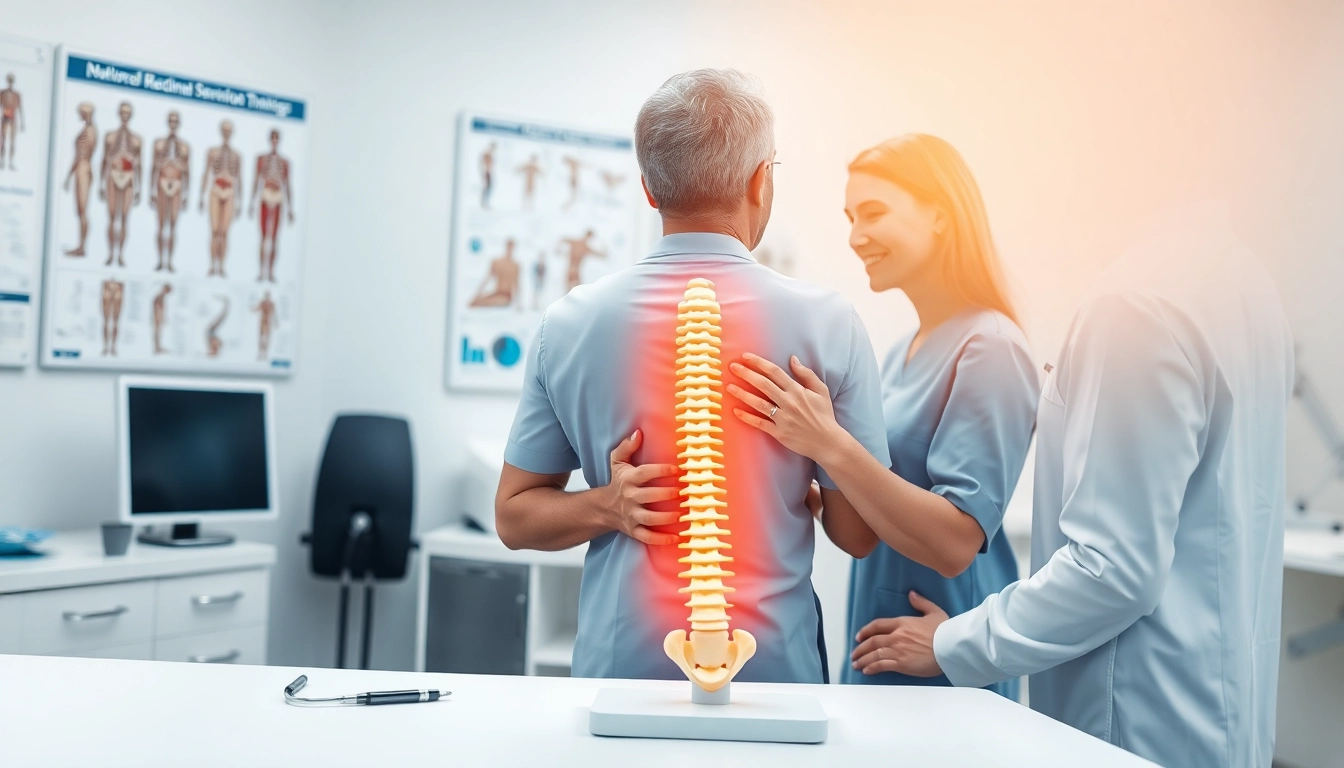
Understanding Sciatica and Its Impact on Mobility
Sciatica is a common yet often debilitating condition characterized by pain radiating along the path of the sciatic nerve, which extends from the lower back through the hips and buttocks and down each leg. This pain can manifest as a sharp, shooting sensation or a dull ache and can significantly affect an individual’s mobility and quality of life. Many individuals suffering from sciatica seek relief through various treatment options, including medication, physical therapy, and more recently, supportive devices like braces. When exploring options, will a knee brace help with sciatica pain is a question that emerges frequently, prompting a deeper look into the relationship between knee braces and sciatica relief.
What is Sciatica? Symptoms and Causes
Sciatica is not a diagnosis in itself but a symptom resulting from conditions that put pressure on the sciatic nerve. Common underlying causes include herniated discs, spinal stenosis, and piriformis syndrome. Symptoms can range from mild discomfort to severe pain, often accompanied by numbness or tingling in the affected leg. Activities such as standing, walking, or sitting for extended periods can exacerbate the pain. Understanding the root cause is essential for effective treatment.
The Connection Between Sciatica and Knee Pain
While sciatica primarily originates in the lower back, it can often lead to knee pain. When the sciatic nerve is compressed, individuals may experience pain that radiates down the leg, affecting the knee joint. This can create confusion in treatment approaches, as the pain might be misdiagnosed as originating solely from the knee rather than the back. Therefore, addressing sciatica comprehensively is vital for alleviating knee-related symptoms.
Common Misconceptions About Sciatica Treatment
One prevalent misunderstanding is that sciatica is solely a back issue. Many believe that only lower back treatments, such as chiropractic care or spinal adjustments, are needed. In reality, effective management often requires a multifaceted approach, including knee braces, exercise, physical therapy, and pain management strategies. Another misconception is that surgery is the only solution for severe cases, while many individuals find relief through conservative methods.
How a Knee Brace Works for Sciatica Relief
Knee braces can provide essential support for individuals experiencing sciatica pain, particularly when the pain radiates down to the knee. These braces work primarily through mechanisms of compression and stabilization. By providing targeted support to the affected area, knee braces can help manage symptoms effectively. Understanding how these devices function is crucial for those considering them as part of their pain relief strategy.
The Mechanism of Compression and Support
Knee braces are designed to apply pressure around the knee, which can aid in reducing swelling and inflammation. This compression enhances blood circulation, delivering essential nutrients to the tissues and speeding up recovery. Additionally, braces provide a proprioceptive feedback mechanism that helps users maintain a better posture and alignment, potentially alleviating additional strain on the sciatic nerve.
Types of Knee Braces Suitable for Sciatica
Several types of knee braces can assist with sciatica relief:
- Compression Sleeves: These provide gentle compression to support muscle and joint stability, reducing pain around the knee area.
- Hinged Braces: Ideal for moderate to severe pain, these braces offer more robust support and prevent excessive movement that could exacerbate symptoms.
- Wraparound Braces: These are adjustable and customizable to provide varying levels of compression, catering to individual comfort levels.
Factors to Consider When Choosing a Knee Brace
When selecting a knee brace, it's vital to consider several factors:
- Fit and Comfort: The brace should fit securely without being overly tight, as this can cause discomfort and restrict circulation.
- Material: Look for breathable, moisture-wicking materials to ensure comfort during extended use.
- Adjustability: An adjustable strap system can provide personalized compression levels, which is essential for managing varying pain intensities.
Integrating Knee Braces with Other Treatment Options
A knee brace should be viewed as part of a comprehensive sciatica management strategy rather than a standalone solution. Integrating various therapeutic approaches can enhance the efficacy of using a knee brace in pain management.
Combining Braces with Physical Therapy
Physical therapy is often the cornerstone of sciatica treatment. A physical therapist can tailor exercises that strengthen the core and improve flexibility, which are essential for relieving pressure on the sciatic nerve. During the early stages of therapy, a knee brace can provide additional support, making it easier to engage in the recommended exercises. Over time, as strength improves, patients may find their reliance on the brace decreases, promoting better overall function.
Complementary Therapies for Enhanced Relief
In addition to physical therapy, complementary therapies such as chiropractic adjustments, acupuncture, or massage therapy can further alleviate symptoms. These therapies can help relieve tension in the muscles surrounding the sciatic nerve, enhancing the overall effectiveness of the treatment plan. Combining these modalities with the use of a knee brace can create a synergistic effect that leads to improved outcomes.
Setting Realistic Expectations for Pain Management
It is crucial for individuals using knee braces for sciatica to set realistic expectations for pain management. While braces can aid in symptom relief, they are not a cure-all. It may take time to find the right combination of treatments, and patience is key. Regular follow-ups with healthcare providers can help adjust the treatment plan as needed for optimal results.
Practical Tips for Effective Use of Knee Braces
To maximize the benefits of wearing a knee brace for sciatica, proper usage and care are essential.
How to Properly Fit and Adjust a Knee Brace
Following the manufacturer's instructions for fitting the brace is crucial. Ensure the brace sits comfortably around the knee joint without causing pinching or restriction. Adjust the straps to secure the brace in place, making sure it allows for a full range of movement without excessive tightness.
Daily Use Guidelines for Comfort and Effectiveness
For many, wearing a knee brace throughout the day can facilitate symptom relief. However, it's advisable to take breaks periodically to prevent skin irritation or discomfort. Utilize the brace during activities that exacerbate pain, such as walking or standing for prolonged periods, while also incorporating rest to aid recovery.
Signs That a Brace is Working or Needs Adjustment
Monitoring the effectiveness of a knee brace involves paying attention to changes in pain levels and mobility. If pain diminishes and mobility improves, the brace is likely functioning well. However, if discomfort increases or if the brace feels too tight, it may need adjustment or replacement.
Future Trends in Sciatica Treatment and Knee Bracing
As advancements in medical technology continue to emerge, new innovations in sciatica management and knee bracing are on the horizon. These developments aim to improve the efficacy and comfort of treatment options for individuals dealing with this painful condition.
Emerging Innovations in Medical Devices for Pain Relief
Future knee braces may incorporate smart technology that monitors real-time pressure and provides feedback to users. Such innovations could revolutionize the way individuals manage pain and improve their motion patterns, leading to enhanced rehabilitation outcomes.
What to Expect in Sciatica Management by 2026
By 2026, we can expect a more integrated approach to sciatica management, incorporating technological advances into traditional therapeutic methods. This may include a greater emphasis on personalized treatment plans that utilize data-driven insights to tailor interventions effectively.
Expert Insights on Long-Term Pain Management Strategies
In discussions with healthcare experts, it is clear that the approach to sciatica management will continue to evolve. Emphasizing a holistic view that combines various treatment modalities, such as braces, physical therapy, and alternative therapies, will likely become the norm. This development highlights the importance of patient education and engagement in creating effective pain management strategies.