

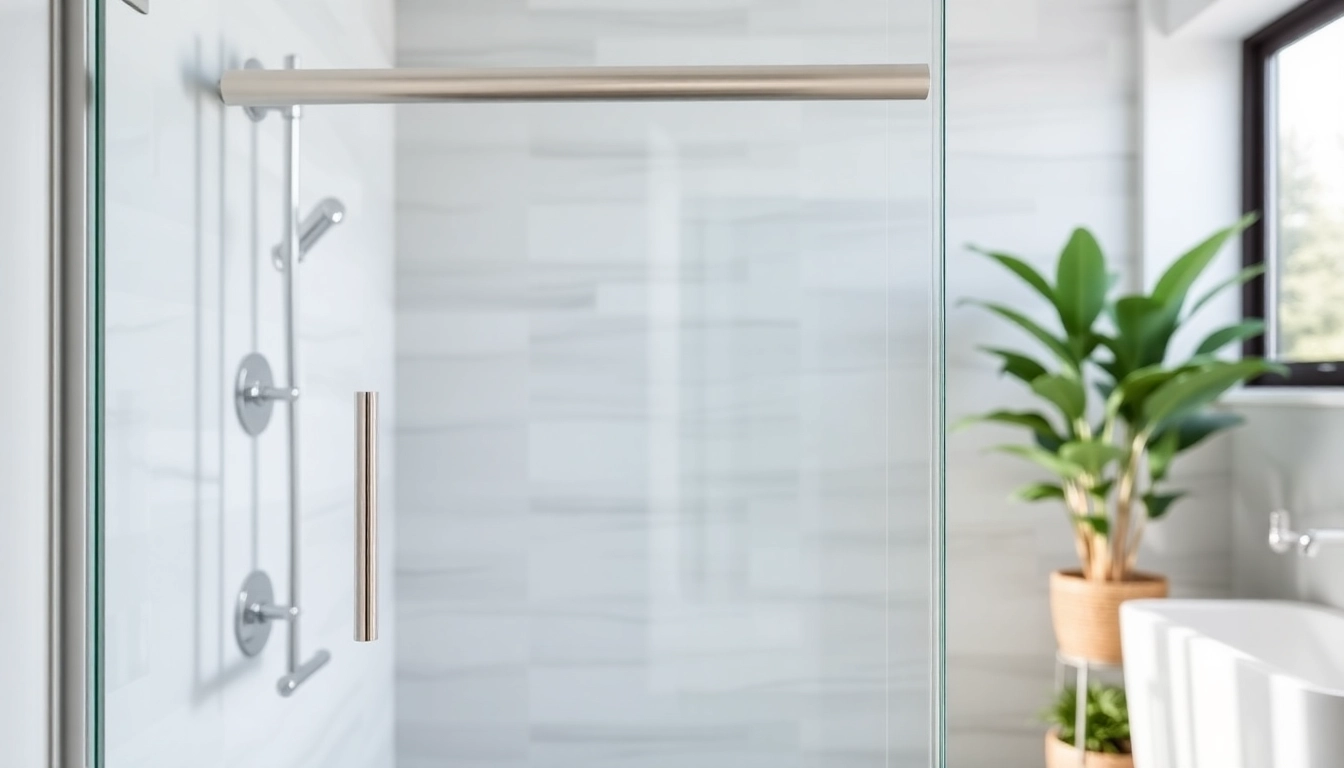
Understanding the Shower Screen Door
What is a Shower Screen Door?
A shower screen door is a modern alternative to traditional shower curtains, designed to enclose the shower area and prevent water from spilling onto the bathroom floor. Typically constructed from durable materials such as tempered glass, a shower screen door combines aesthetic appeal with practicality. It provides a sleek and elegant look while ensuring that the bathing area remains dry and tidy. Many homeowners prefer shower screen doors for their ability to create a more open feel in the bathroom, giving the illusion of space even in smaller areas.
Benefits of Installing a Shower Screen Door
There are numerous advantages to choosing a shower screen door over conventional shower curtains. First and foremost, the shower screen door is easy to clean and maintain due to its smooth surface, which discourages mold and mildew growth. Its sturdiness provides an additional safety measure, especially when using tempered glass designed to break into small, less harmful pieces rather than sharp shards. Furthermore, shower screen doors are available in various designs and finishes, allowing customization to match the bathroom’s décor. By utilizing a shower screen door, homeowners can enhance their bathroom’s value and aesthetic appeal.
Different Styles of Shower Screen Doors
Shower screen doors come in multiple styles, each providing unique benefits and visual characteristics. The most popular styles include:
- Sliding Shower Doors: These doors operate on a track, making them ideal for smaller bathrooms where space is limited.
- Bi-fold Shower Doors: Bi-fold designs fold inwards to save space, offering a sleek and contemporary appearance.
- Fixed Shower Screens: These stationary panels can be used alone or in combination with a moving door for a modern look.
- Hinged Shower Doors: Hinged or pivot shower doors swing open like a traditional door, providing easy access.
- Frameless Shower Doors: The minimalist design of frameless doors enhances the openness of the bathroom while offering a luxurious touch.
Choosing the Right Shower Screen Door for Your Space
Factors to Consider When Selecting a Shower Screen Door
When selecting a shower screen door, several crucial factors should be considered:
- Space Availability: Measure the shower area to determine the best style that fits without overcrowding the room.
- Design Preferences: Choose a design that complements your bathroom decor. The style of the rest of the bathroom should influence the door’s selection.
- Budget: Shower screen doors vary widely in price, so it’s important to establish a budget before shopping.
- Water Pressure: Elevate your design considerations if your shower has high water pressure, as it may impact door performance.
- Cleaning Ease: Some doors have features that reduce water stains and can be easier to clean.
Glass Types and Their Benefits
The type of glass used in a shower screen door plays a significant role in both safety and aesthetic appeal. Common glass types include:
- Tempered Glass: Heat-treated for strength, this glass can withstand impacts better than standard glass, making it a safer choice.
- Low-Iron Glass: Offers higher clarity and a crystal-clear appearance by reducing the greenish tint found in standard glass.
- Frosted Glass: Provides privacy while still allowing light to filter through, making it an excellent option for shared bathrooms.
- Textured Glass: These variants add a decorative element while enhancing privacy and reducing the appearance of water spots.
Frame vs. Frameless Shower Screen Doors
When considering a shower screen door, one of the most significant decisions is whether to choose a framed or frameless design. Framed doors have a visible metal frame that provides additional support; they are often more affordable and can offer better water containment. However, frameless doors offer a more modern, sleek look and create an illusion of space, giving a larger appearance to the bathroom.
Frameless doors also allow for easier cleaning since the lack of a metal frame reduces places for grime to accumulate. Ultimately, your choice will depend on aesthetic preferences, budget, and maintenance considerations.
Installation Tips for Your Shower Screen Door
DIY Installation vs. Professional Help
Installing a shower screen door can be a rewarding DIY project for handy homeowners, but professional installation may be the best option for others. Those with experience in home improvement tasks might find the process straightforward, especially with clear instructions. However, if you are not confident in your skills or have a complicated shower configuration, hiring a professional can ensure a seamless installation.
Tools Needed for Installation
For a successful installation, various tools and materials are necessary. Common tools include:
- Drill with appropriate bits
- Level for assessment of evenness
- Measuring tape for accurate sizing
- Silicone sealant to waterproof edges
- Screwdriver for mounting
- Safety goggles and gloves for protection
Step-by-Step Guide to Installing a Shower Screen Door
Follow these steps for a successful installation:
- Measure the Space: Use a measuring tape to confirm dimensions and ensure door compatibility.
- Prepare the Area: Clear the shower area and ensure the surfaces are clean and dry before installation.
- Install Wall Brackets: Attach wall brackets according to the manufacturer’s instructions, ensuring they are level.
- Attach the Door: Lift the door into place, securing it to the brackets. Carefully check for alignment.
- Seal Edges: Apply silicone sealant around the edges of the door for a watertight finish. Let it dry completely.
- Inspect and Test: Check the door’s opening and closing mechanism. Make adjustments if necessary.
Maintaining Your Shower Screen Door
Cleaning Techniques for Longevity
To ensure your shower screen door remains in good condition, regular maintenance is essential. Here are some effective cleaning techniques:
- Daily Wipe Downs: Using a squeegee after each shower can prevent water stains and soap scum from building up.
- Natural Cleaners: A mixture of vinegar and water sprayed on the glass can work wonders for periodic deep cleaning.
- Soft Cloths: Microfiber cloths are gentle on glass surfaces and can help avoid scratches.
- Avoid Harsh Chemicals: Stay clear of abrasive cleaners that may damage the glass or any protective coatings.
Common Issues and Troubleshooting
Even with proper care, you may encounter issues with your shower screen door. Common problems include:
- Water Leakage: Ensure seals are intact and apply silicone where necessary.
- Difficult Door Operation: Check for alignment and ensure all hinges are correctly installed and lubricated.
- Stains on Glass: Persistent stains may require specialized glass cleaning products or professional cleaning services.
When to Replace Your Shower Screen Door
Knowing when to replace your shower screen door can save you from larger repair costs later. Signs that replacement is necessary include:
- Severe Scratches or Cracks: Glass damage that cannot be polished out should prompt a change.
- Rust or Corrosion: Any visible signs of rust on frames should be taken seriously as they can weaken the door.
- Failure to Seal: If water leaks consistently through the seals despite maintenance, consider replacing the door.
Frequently Asked Questions about Shower Screen Doors
What materials are shower screen doors made from?
Shower screen doors are typically made from tempered glass with various framing materials including aluminum or stainless steel.
Can a shower screen door fit in any bathroom?
Yes, shower screen doors can fit in most bathrooms, but measurements should be taken to ensure proper fit and function.
How can I prevent water stains on my shower screen door?
Regular cleaning with a vinegar solution and using a squeegee after each use can prevent water stains.
Are shower screen doors safe for small children?
Yes, shower screen doors are made from tempered glass which is designed to shatter safely in the event of breakage, minimizing injury risk.
What is the average cost of a shower screen door?
The cost can vary widely, typically ranging from £150 to £800 depending on style, size, and features.